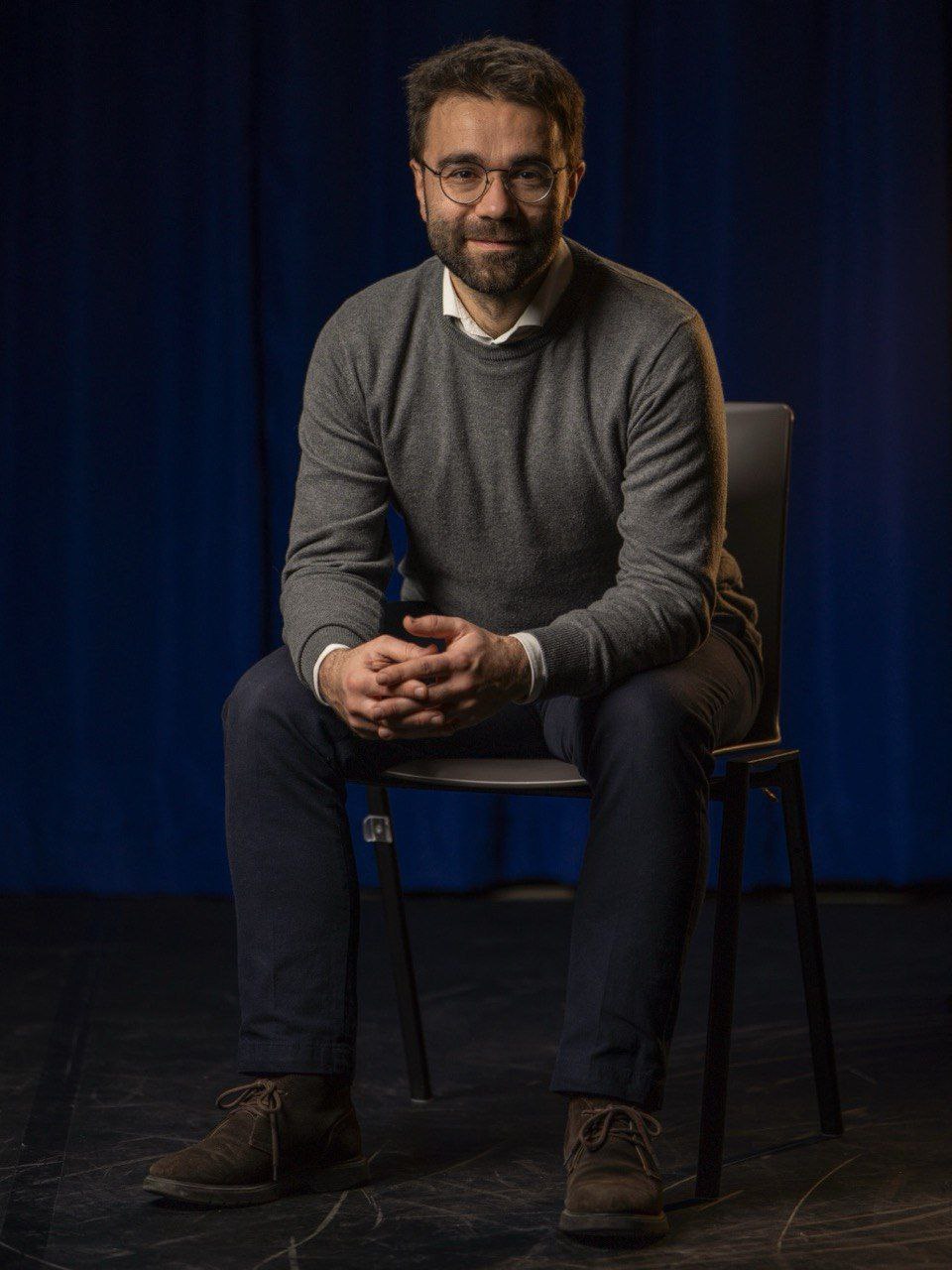
Avid reader, sometimes a gamer,
and I love my comics."
How I got here.
I have spent the last decade in civil society, EU advocacy and political movements. Right now I am a policy officer at The Good Lobby Italia, working on democratic engagement, transparency and direct lobbying, and training other organisations to do the same.
Before this role I spent years pushing European institutions to act on gender-based violence in Sudan and on human trafficking in Tunisia and Libya. None of that work moved as much as it should have. Some of it moved more than the press picked up. Both lessons inform how I work now.
My background reads strangely from a distance. I trained as a chemist, then took a master in international economic history, then drifted into politics through community organising. The threads that actually connect those steps are evolution, mechanism and patient curiosity about how systems behave under pressure.
I founded The Continental Brief because the analytical Substacks I read are mostly American. Europeans deserve their own.